

The Amazon: the Marañón River
The second chapter in the Amazon series, covering our trip through the Amazon National Park and up Nauta Creek
Please be sure to ❤️this post when you get to the end. It helps my writing be more visible to others. Thanks for supporting Folding Plants and Watering Laundry!
For a summary of our Amazon adventures, you can read The Adventures of Grandma’s Hat: The Amazon. This series will be the extended version of that trip (at the request of one of my subscribers). The first episode was The Amazon: Trip to Iquitos. The adventure continues… Enjoy!
Overnight, we had travelled up the Marañón River from the ports of Iquitos and Nauta into the Pacaya-Samiria National Reserve in Peru. The Reserve is in the North East corner of Peru and spans over eight thousand square miles of Amazon rainforest. The Peruvian rainforest of the Pacaya-Samiria National Reserve, at the headwaters of the Amazon, is known for it’s biodiversity, making it the perfect place to observe the flora and fauna of the Amazon.
When it came time to moor the Delphin II, the captain would find the a sturdy tree and intentionally crash into the forest along the water’s edge. We woke up to our riverboat, the Delfin II, moored bow first, deep in the edge of the jungle and tied off to a tree. As our berth was at the bow of the boat, our windows were covered with condensation from the humidity coming off the wet rainforest flora and our windows filled with the greenery of the rainforest.


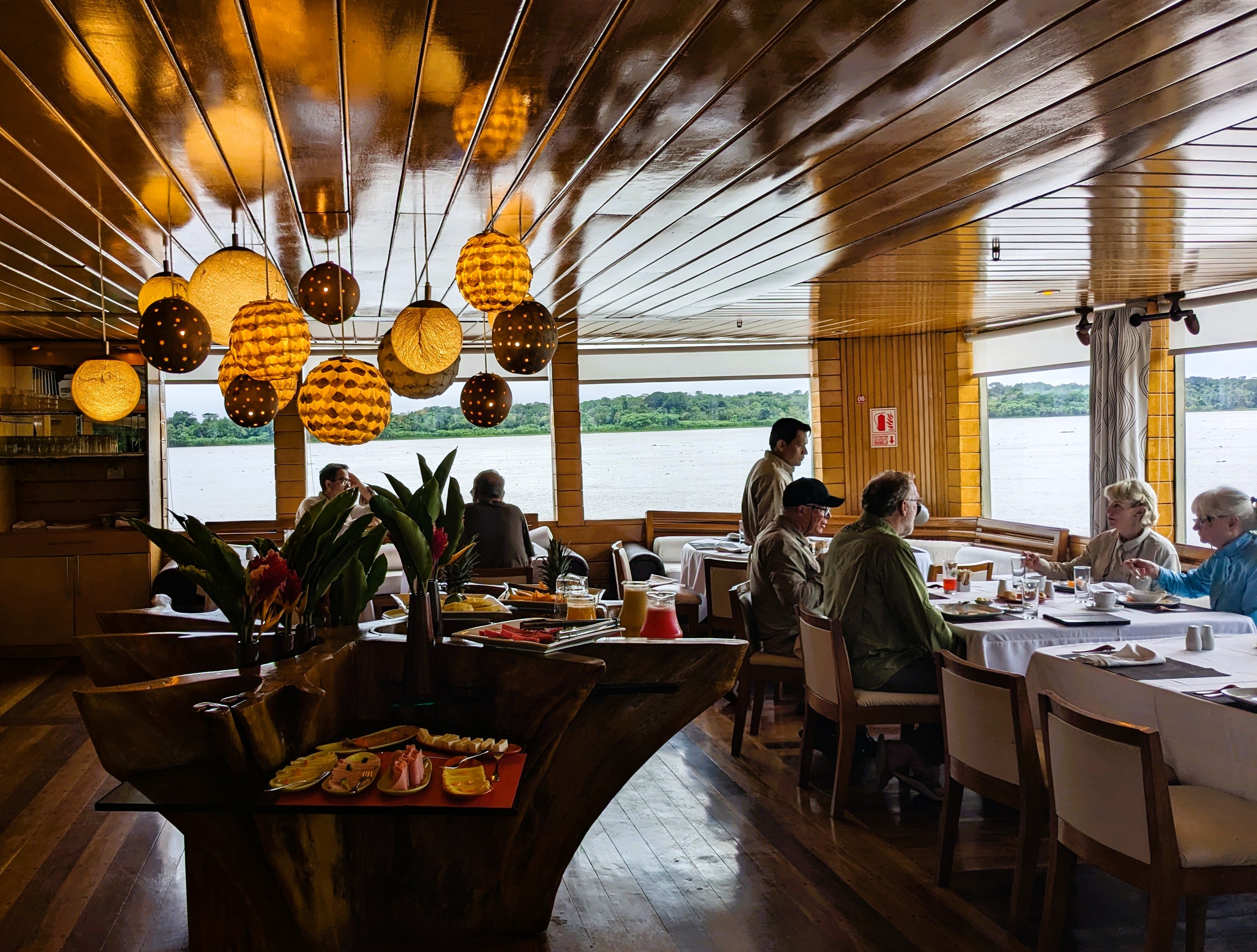
During breakfast, we were on the mighty Marañón river, which feeds directly into the Amazon, taking in our first views of the wild Amazon rainforest and the surrounding waters.
As it was April, we were at the end of the wet season in the Amazon, The majority of the areas we would be visiting during our time there were under water, meaning we would spend most of our days in ten-man boats with our local naturalist spotting wildlife and hacking our way through the rainforest with a machete from the bow. But this morning was different. After breakfast, we started our first day in the Amazon on dry land at Amazon National Park.
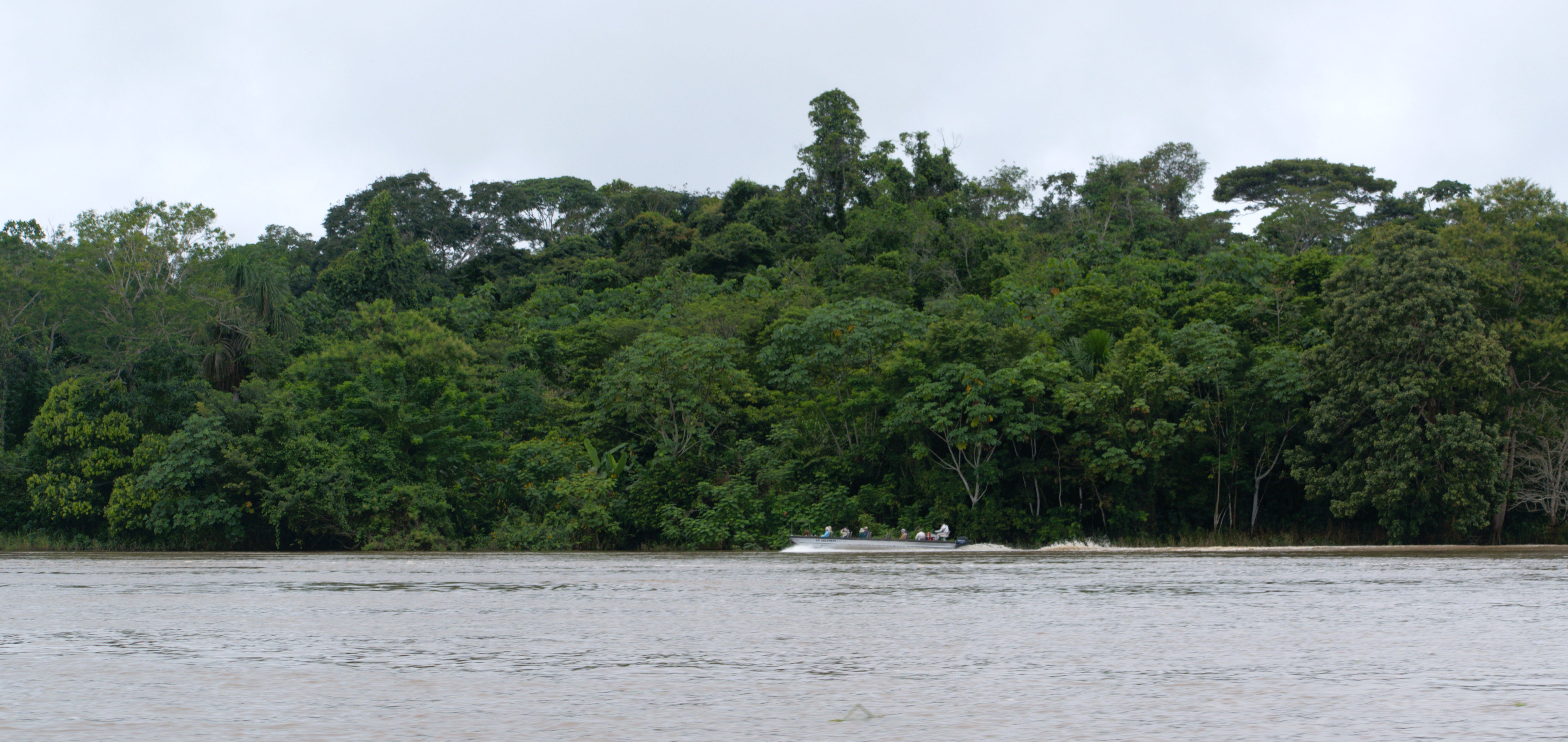
We boarded skiffs and headed for the Park entrance along the river’s edge. Ringed kingfishers joined us as they flew in and out of nesting holes along a muddy wall along the river’s edge. When we arrived at the shore, after walking a short distance from the river, we boarded smaller boats manned by Park personnel, who rowed us into the rainforest across a small lake.
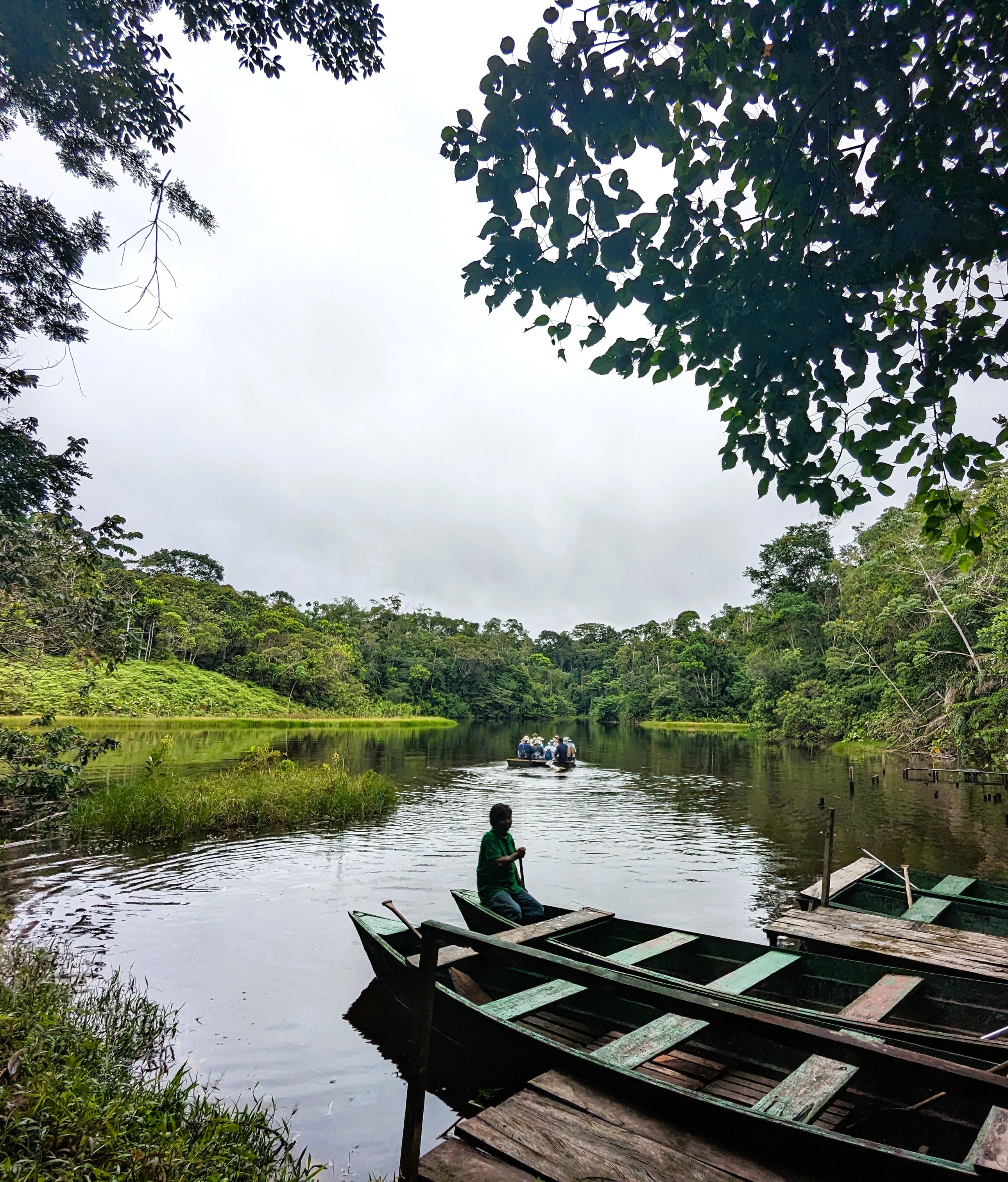
We were immediately taken in by the lush greenery and the sounds of the jungle. We were not yet familiar with how to spot the local monkeys and birds, but we would learn quickly their vocalizations would be our constant companions in the jungle. It was not unlike the stereotypical jungle soundtrack you hear during any major film, with monkeys calling back and forth to each other and a plethora of birds - horned screamers, parrots, parakeets, and more - joining the call.
As we came into the Park, I immediately spotted a juvenile, yellow-spotted turtle along the shoreline.
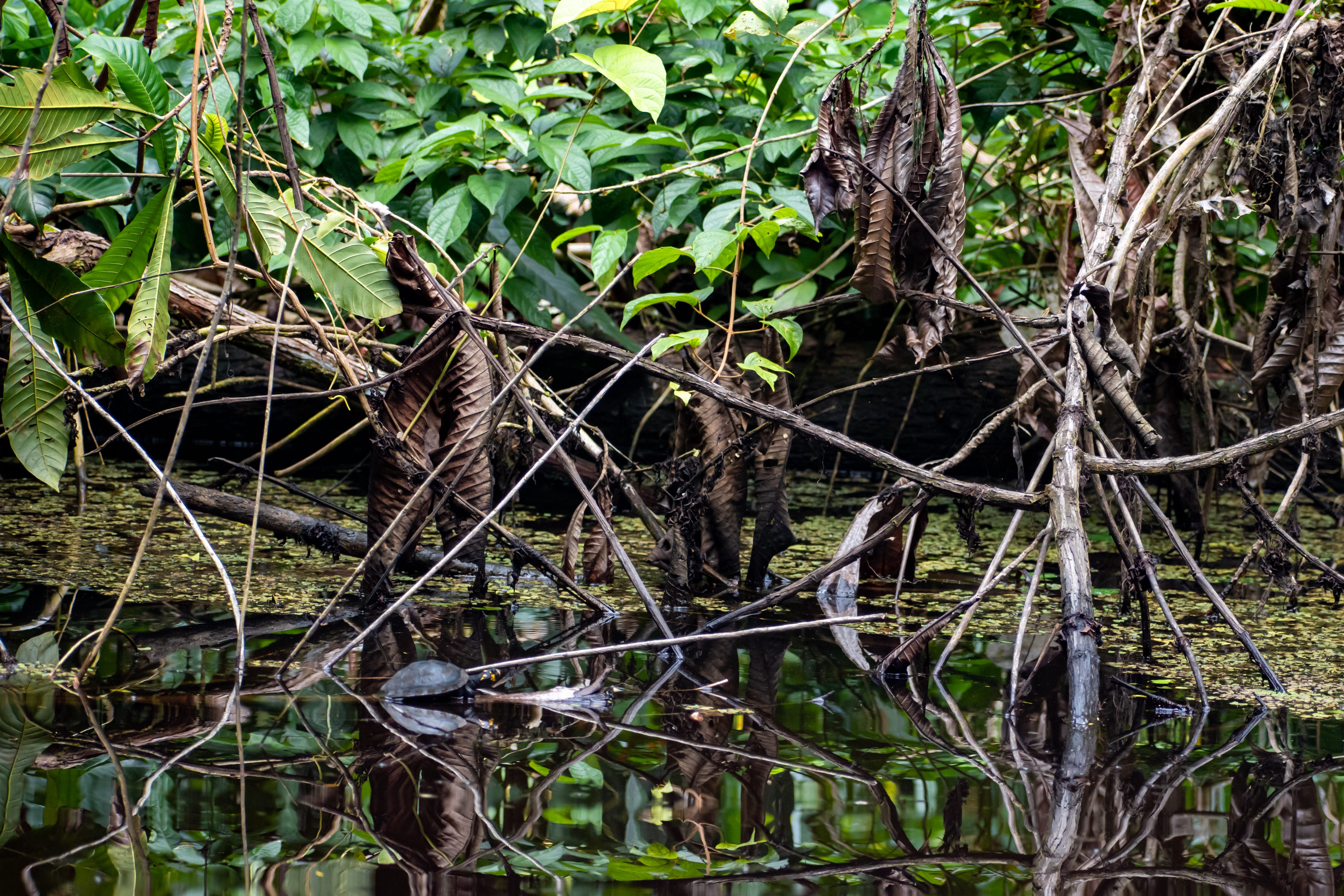
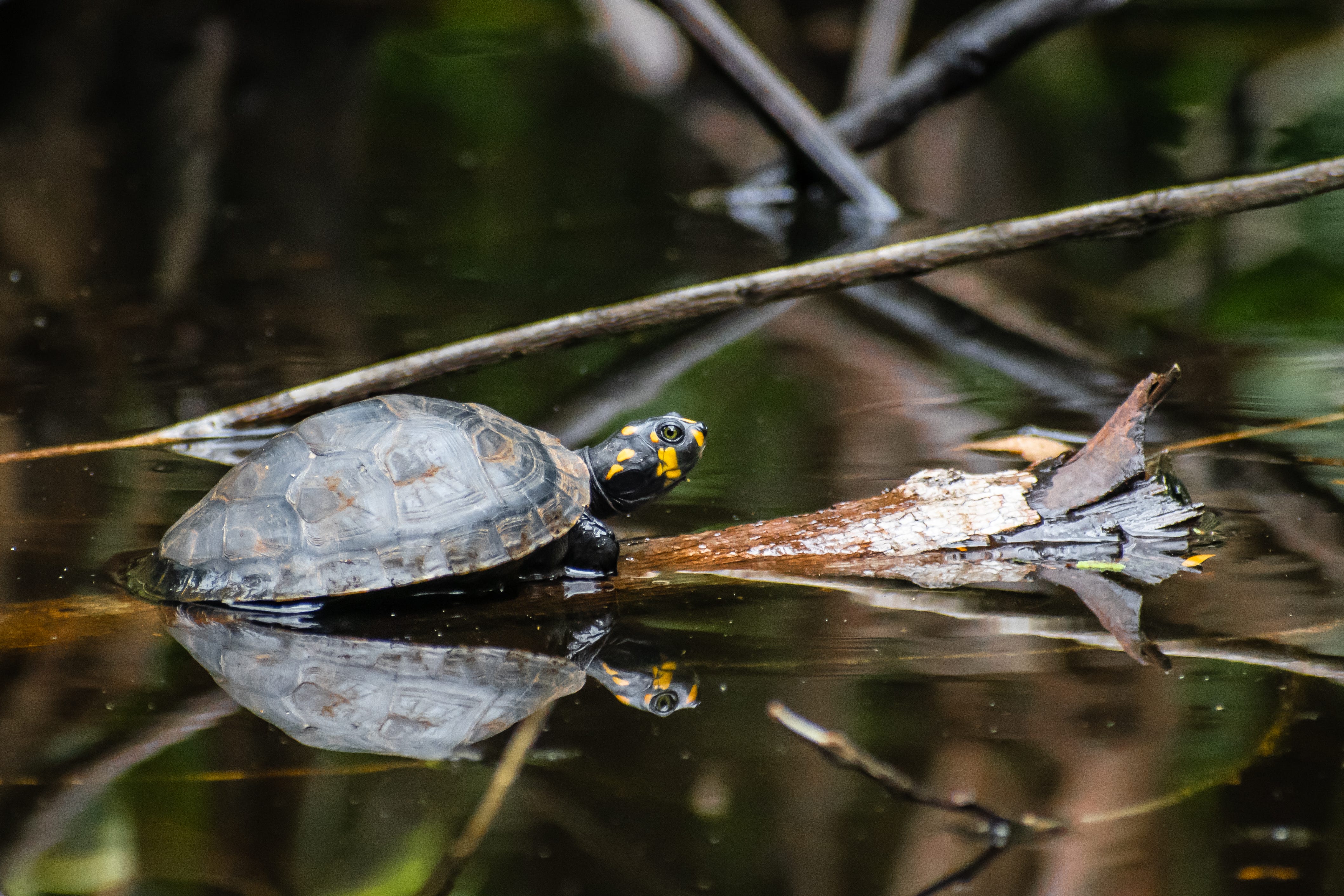
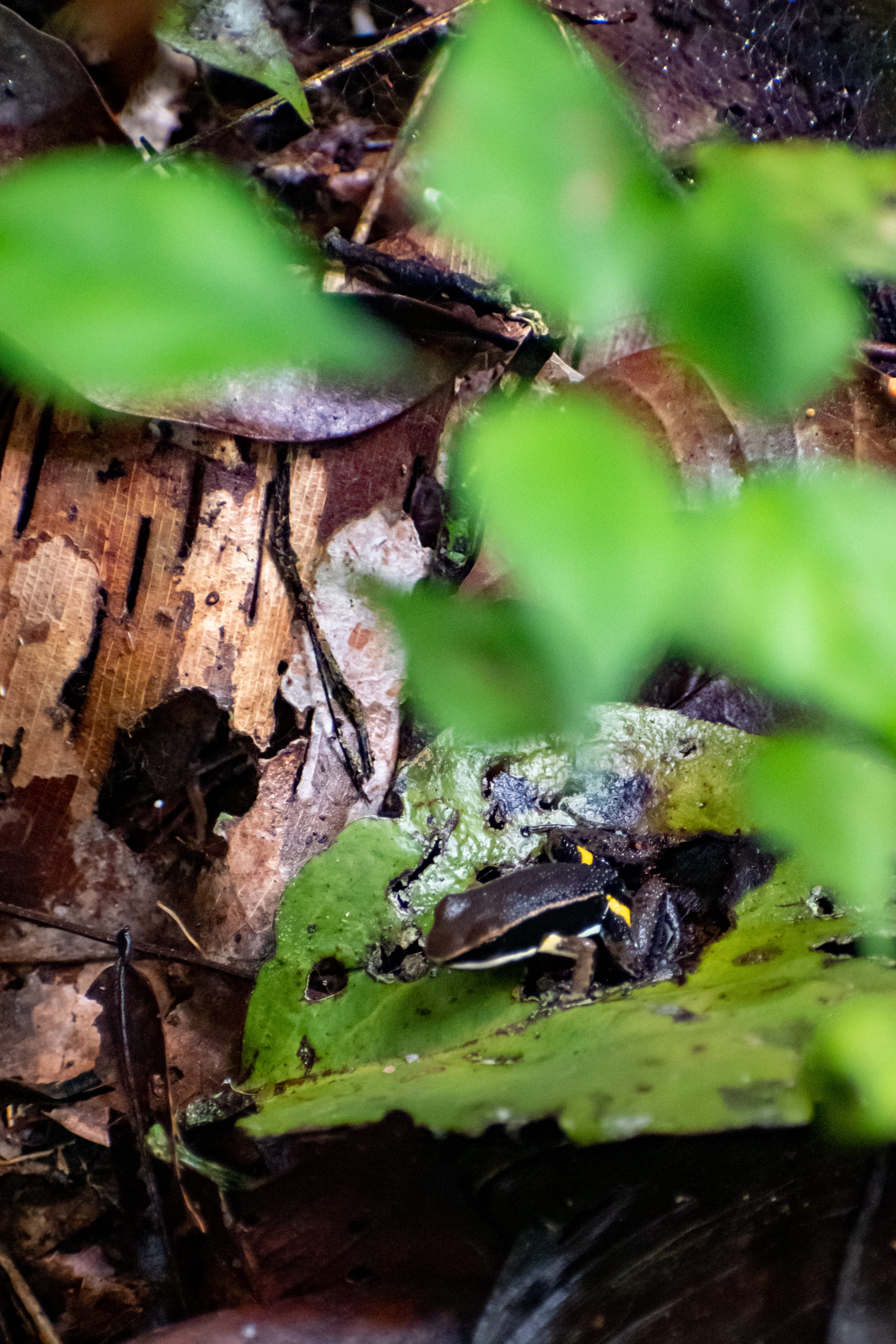
As we exited the small, wooden boat into the Park, we immediately saw dragonflies and bugs of all kinds, and were quickly engulfed by the dense, jungle greenery. One thing we noted immediately about the Amazon was the incredible density of mosquitos. We all were wearing 70%-100% Deet insect repellant on both our skin and sprayed all over our clothes, as instructed by our guides before we even started packing for the trip (as no-one wants malaria), however this seemed to do little to deter the insects from swarming us. On future land-based trips I would bring a washcloth or hand towel, useful for continually shooing away a deep mat of mosquitoes off the back of the person in front of me, following the example of the naturalists who always led and brought up the rear on our hikes.


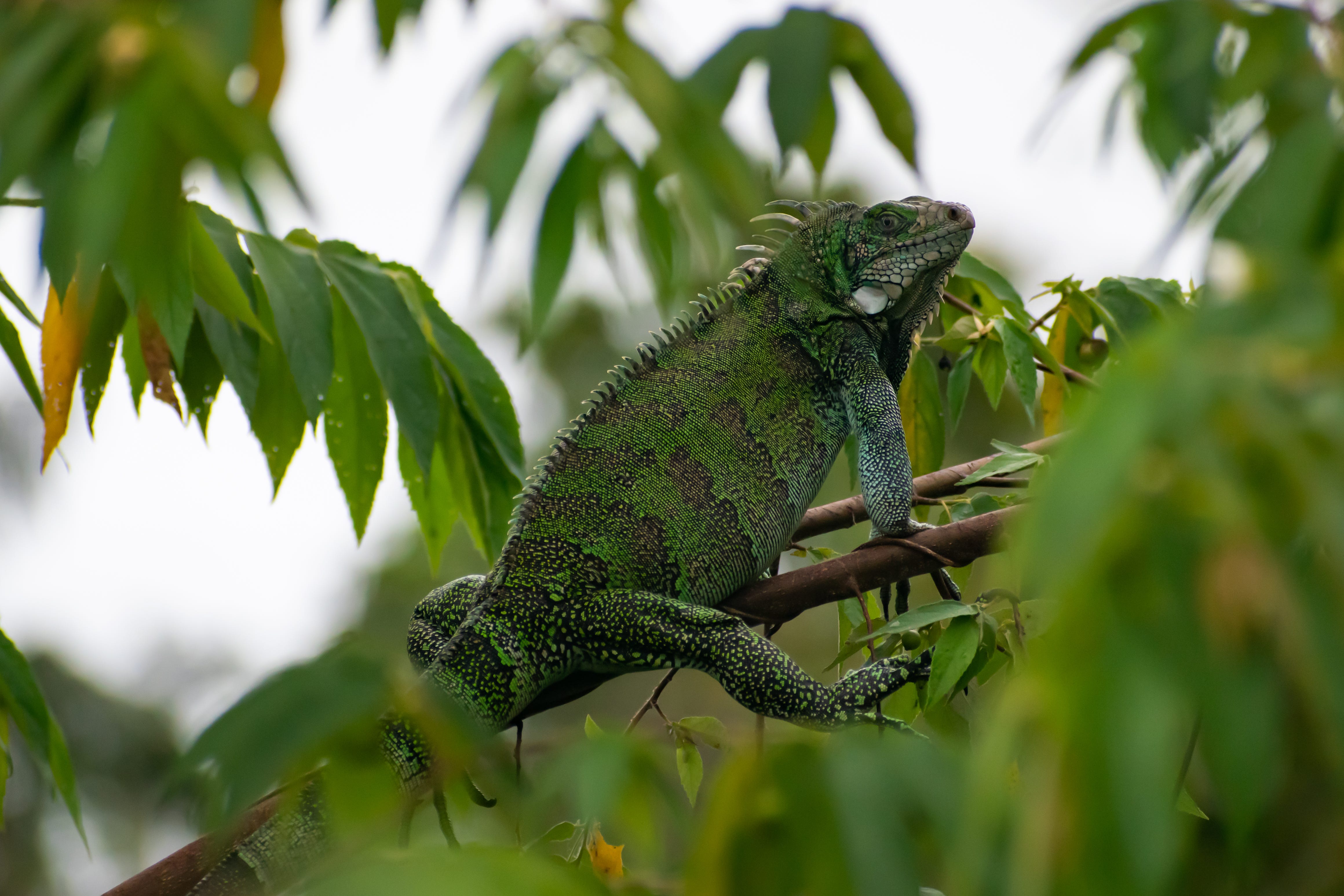
As we walked through the jungle, the local guides pointed out the variety of trees, insects, bromeliads (flowers attached to the trees), and other wildlife in the forest. The Kapok trees, the tallest trees in the Amazon, were the most impressive trees in this part of the forest. They have above-ground, buttress roots and can grow to over 200 feet tall. We also saw Brazil-nut trees, walking palms (known for having “stilt roots” which allow them to place new roots as old roots die, causing them to “walk”), and rubber trees. Rubber trees have always been both a gift and a curse to the Amazon, as they were a great source of revenue to local tribes, but also brought non-native people to the basin, often bringing with them disease and death. Eventually, in 1876, in an act of biopiracy, a British saboteur, Henry Wickham, collected over 70,000 rubber tree seeds without permission and shipped the seeds back to England, devastating the rubber monopoly and, with it, the Amazon’s local economy.
We returned to the Delphin for lunch and then boarded skiffs to travel up the Caño Negro (black river) or Nauta Creek.
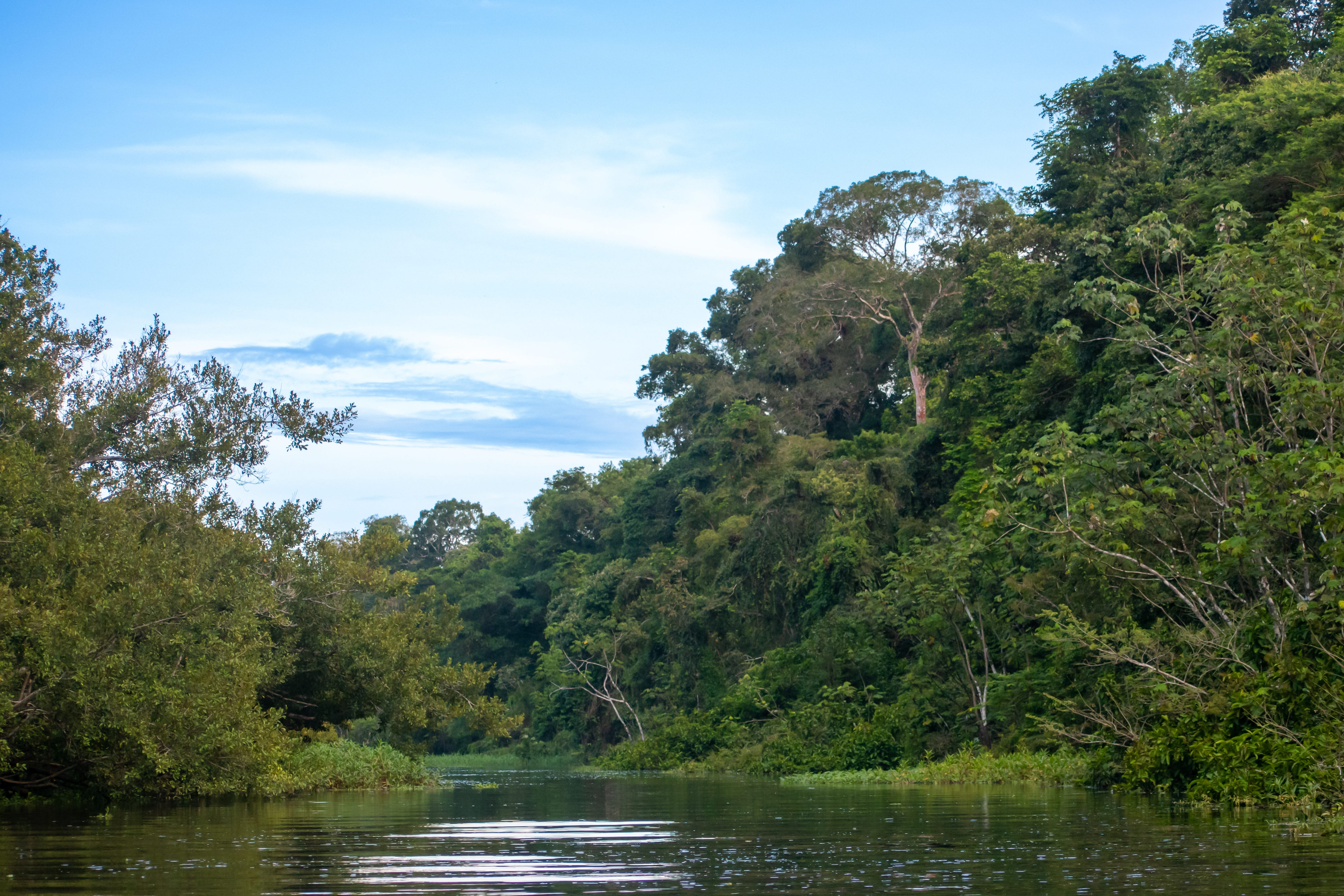
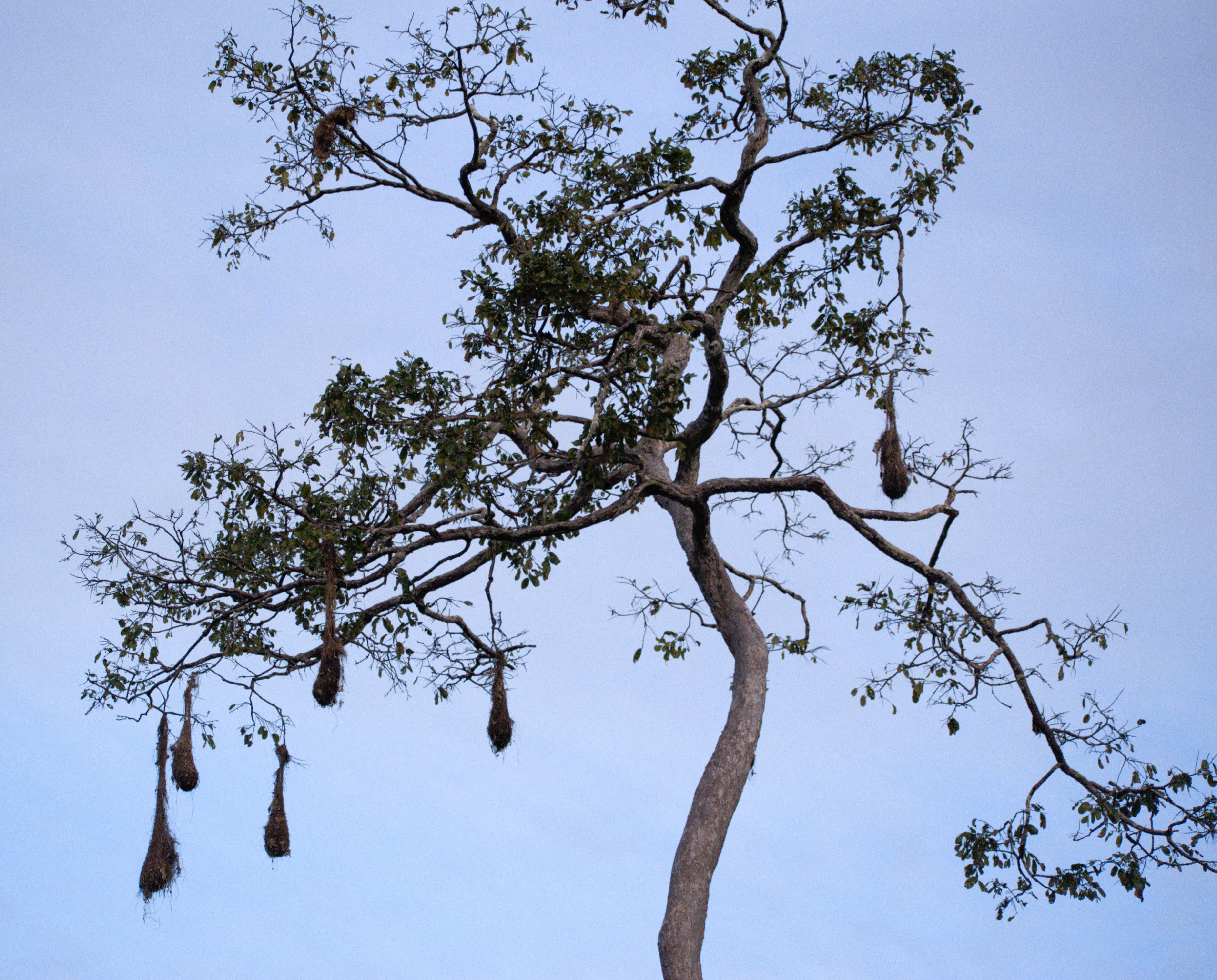
The canopy was continuously filled with the noises of birds and monkeys as we travelled upriver and back again, the cacophony a constant companion during our time in the jungle. We saw our first Crested Oropendola nests dangling from branches high up in the forest’s canopy. This was to become a common sight in the Amazon rainforest.
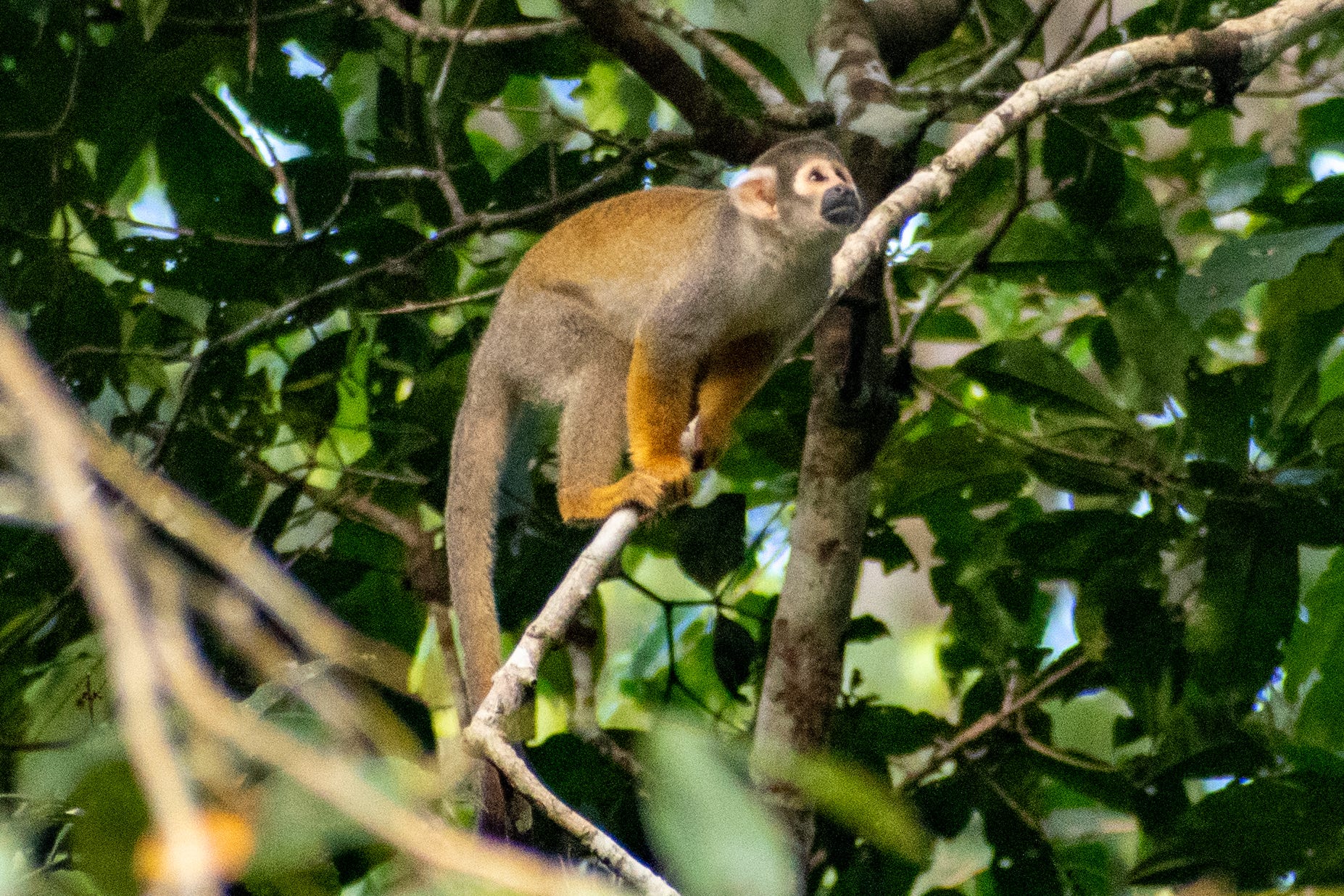
To our excitement, we saw our first monkey. It was a small, spider monkey, and he was jumping through the canopy looking for fruit. We were amazed the naturalist spotted him, as we were just beginning our education on how to spot animals moving in the trees. Over time, many in our group became more skilled in calling out animals along the shore.
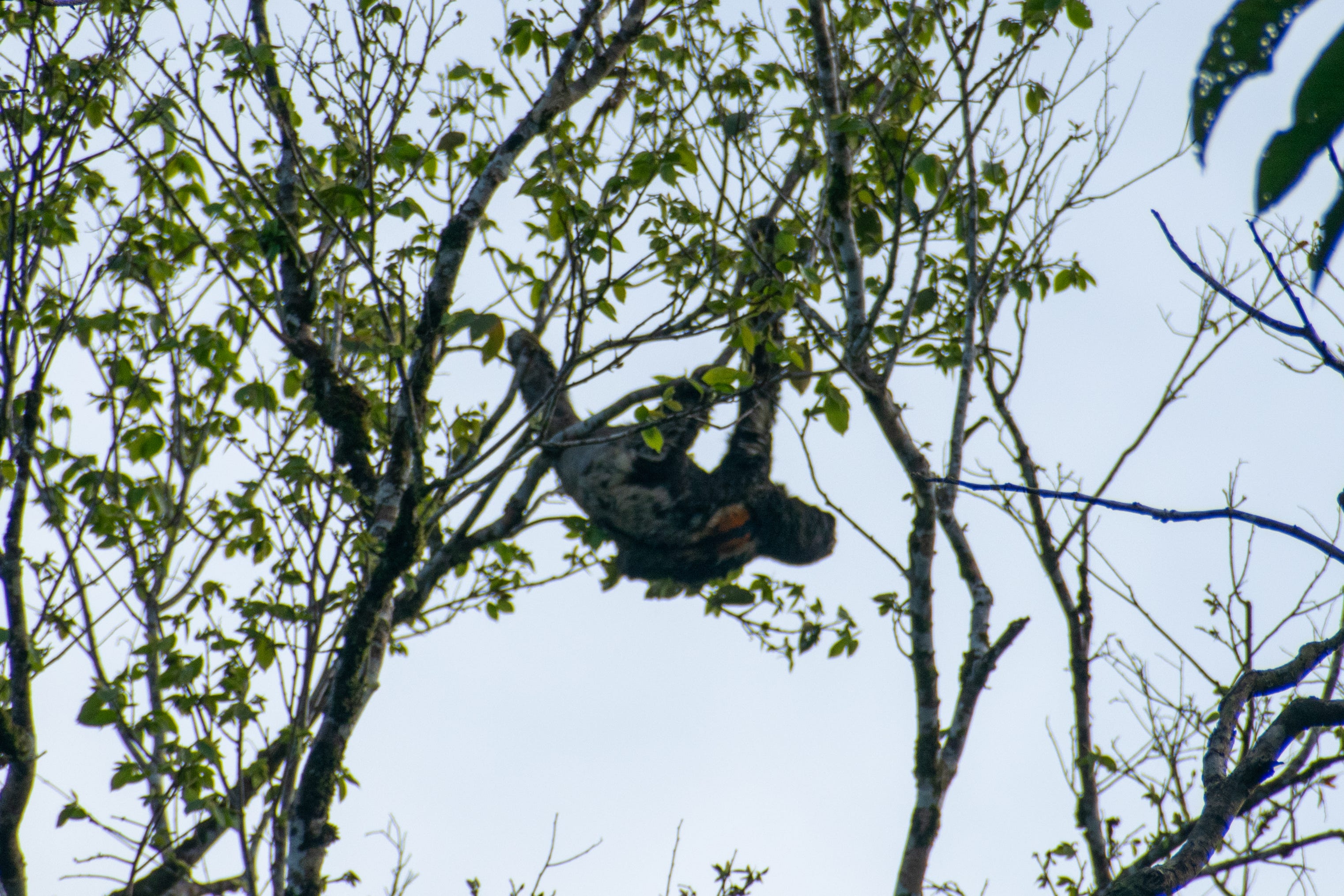
To our great surprise and excitement, we also spotted a three toed sloth very high in the trees.
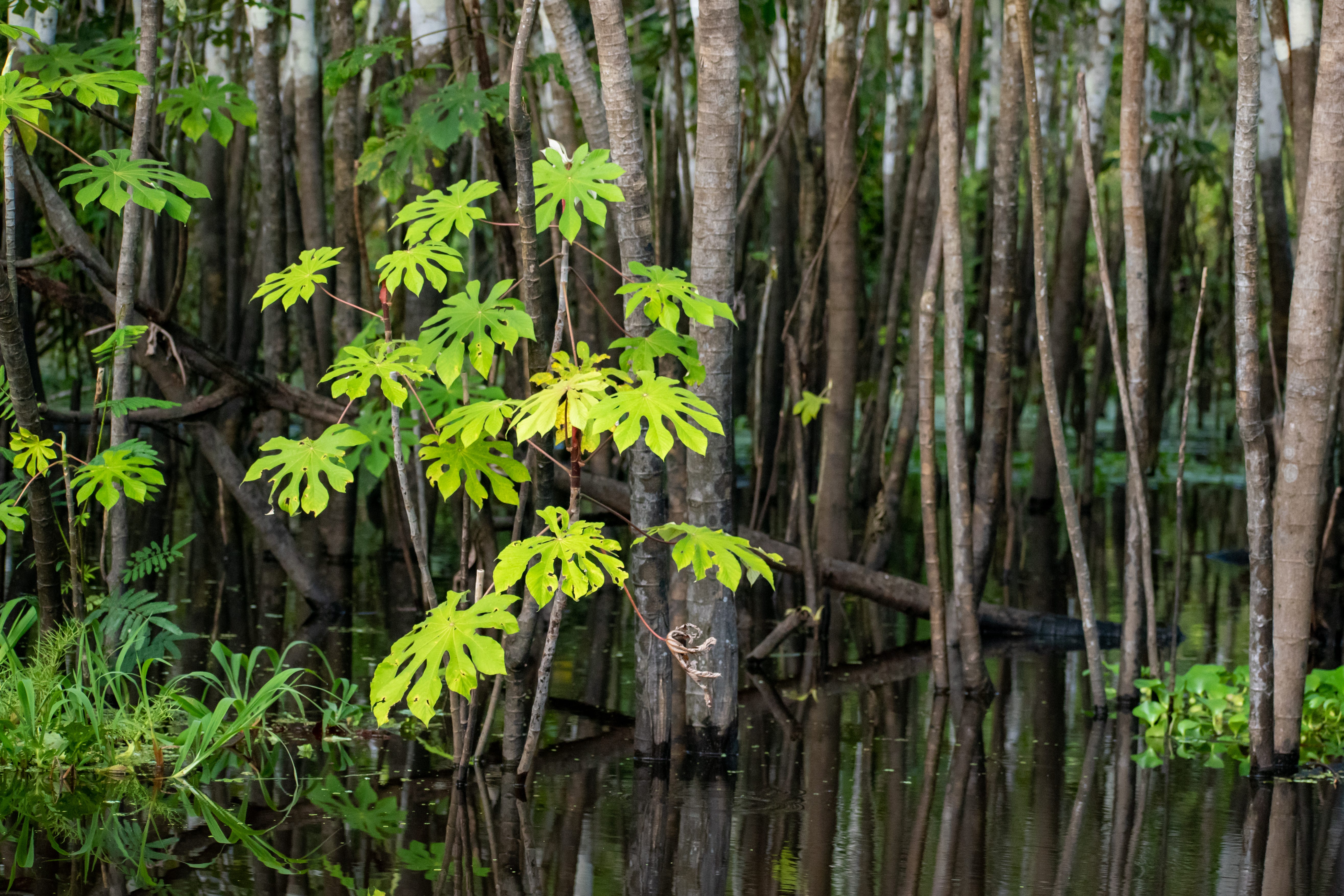
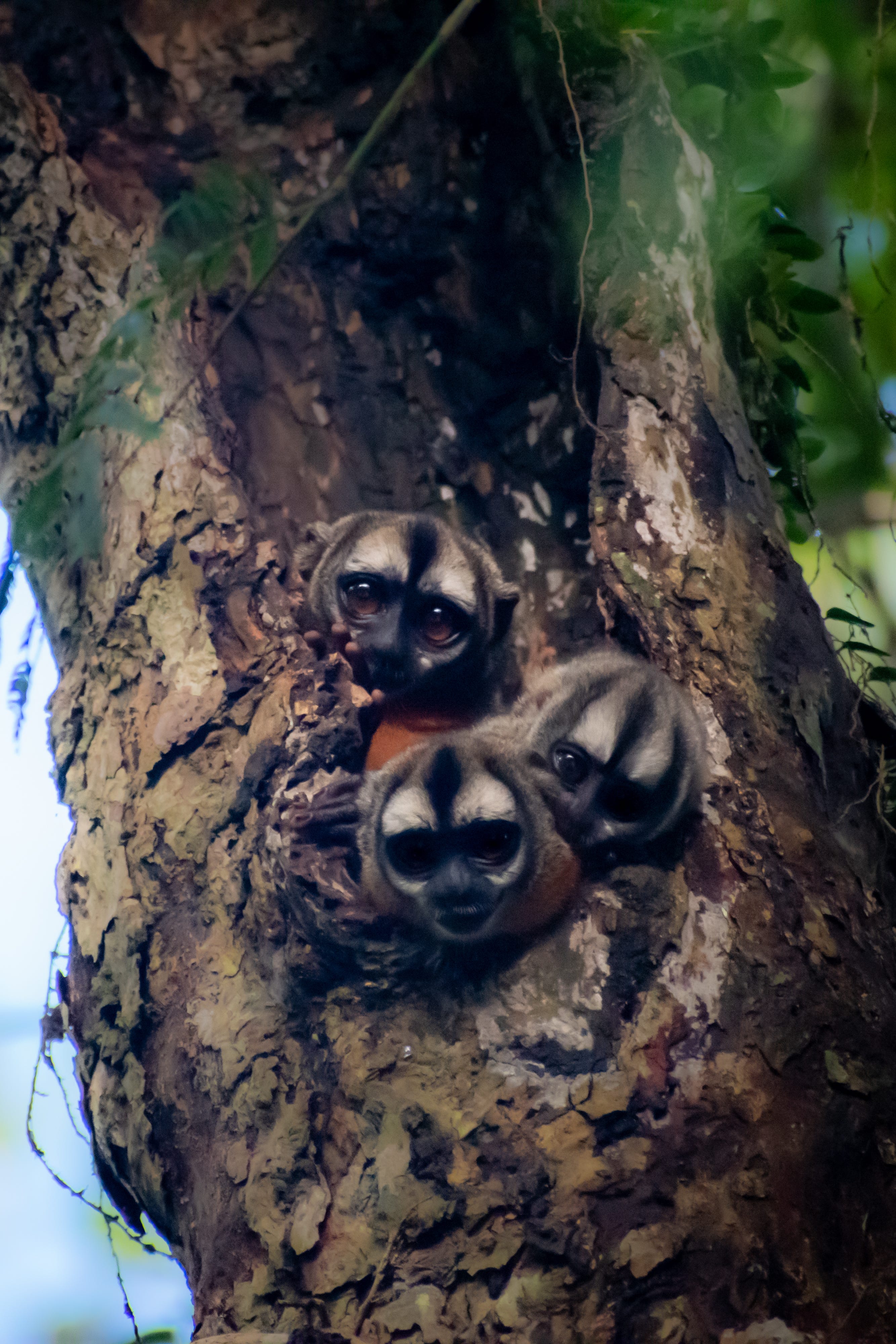
As we moved up the river, the rainforest became denser. Every time the local guide at the front of the boat called out, the boatsman at the rear would move into the forest where he was pointing, and we’d see yet another amazing discovery. One of the most stunning finds the naturalist pointed out was about fifty feet deep into the forest, where three little noisy night monkeys were nestled in a hollow tree coming up out of the flooded riverbed, peering out at us through the jungle.
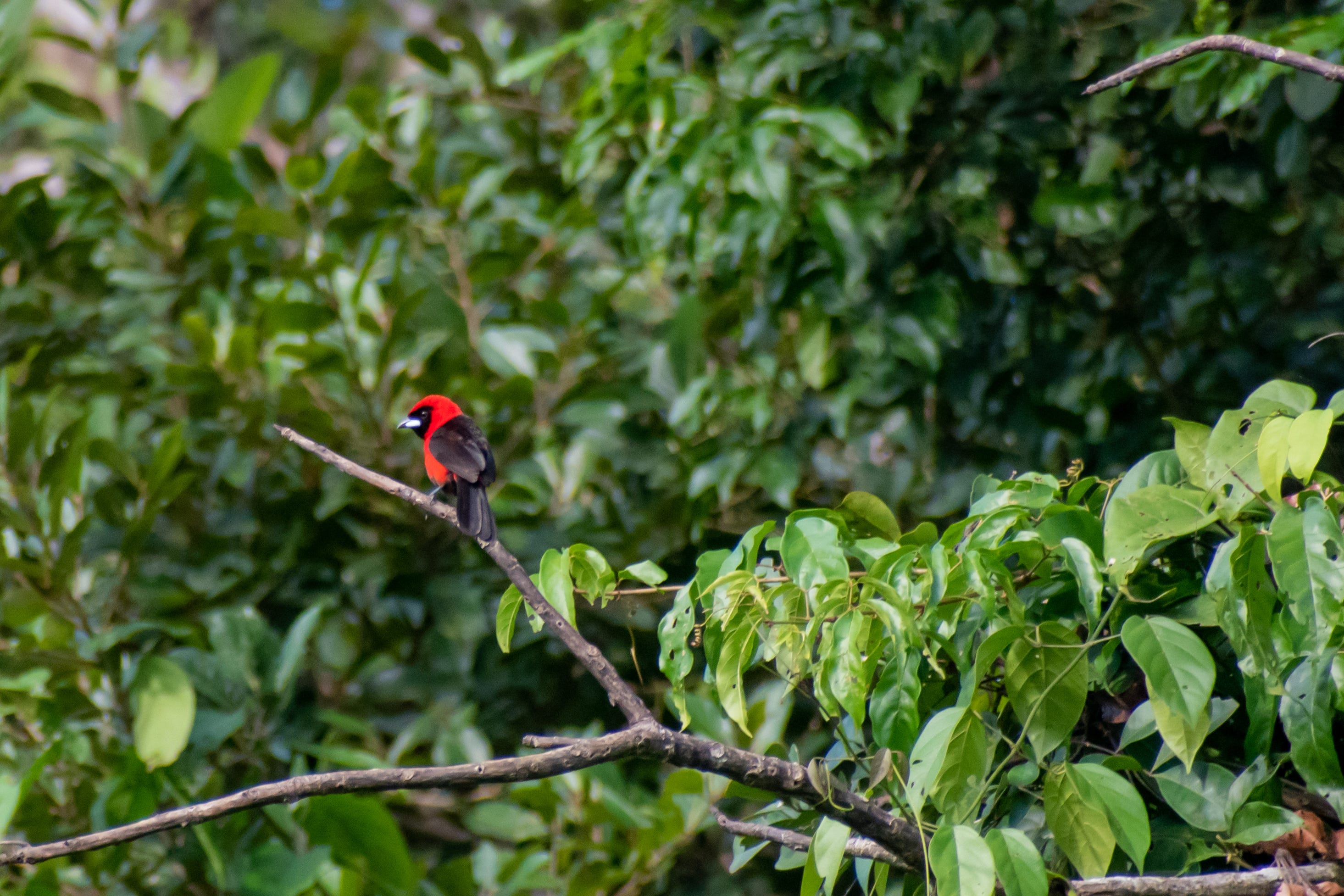
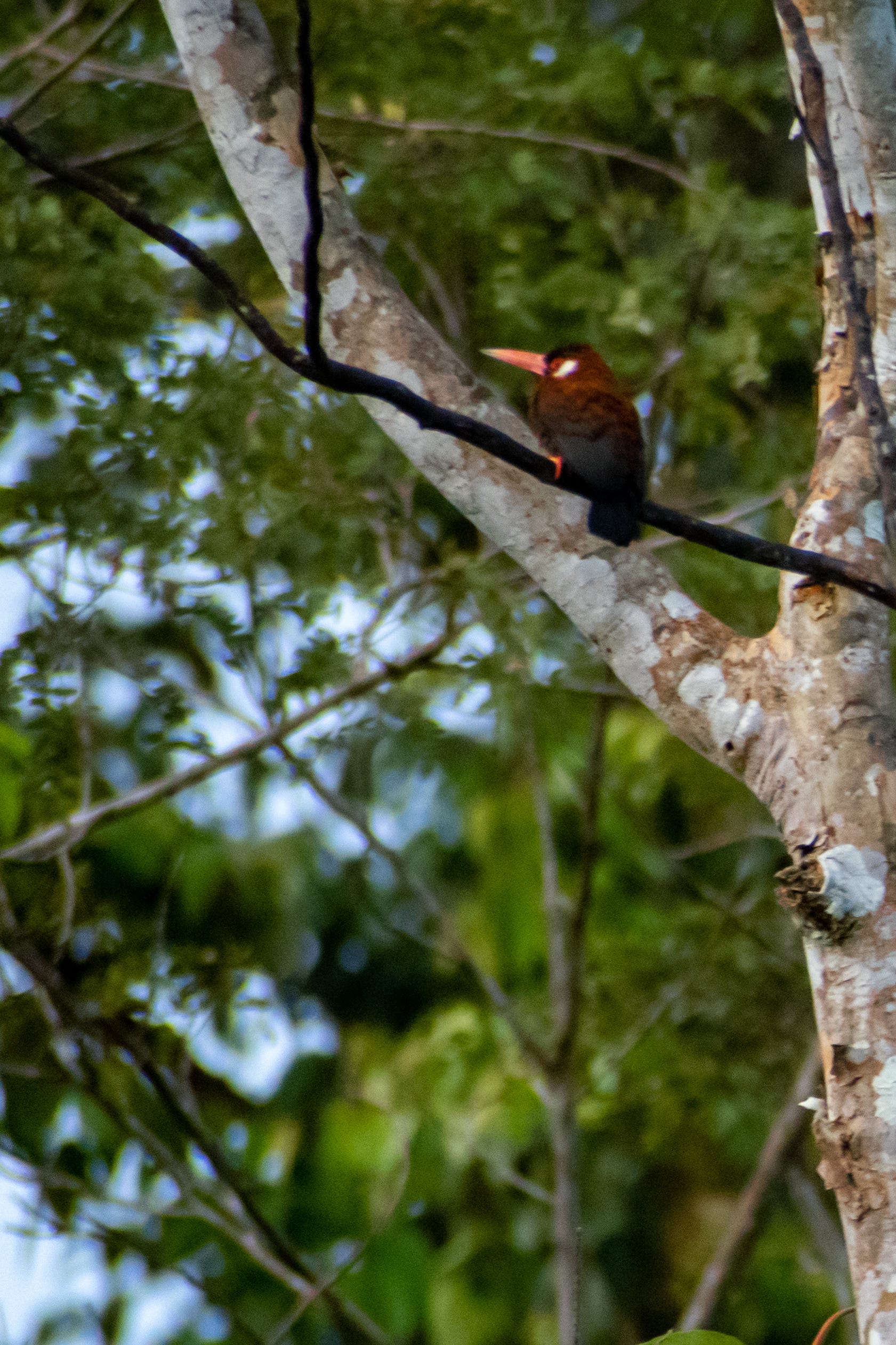
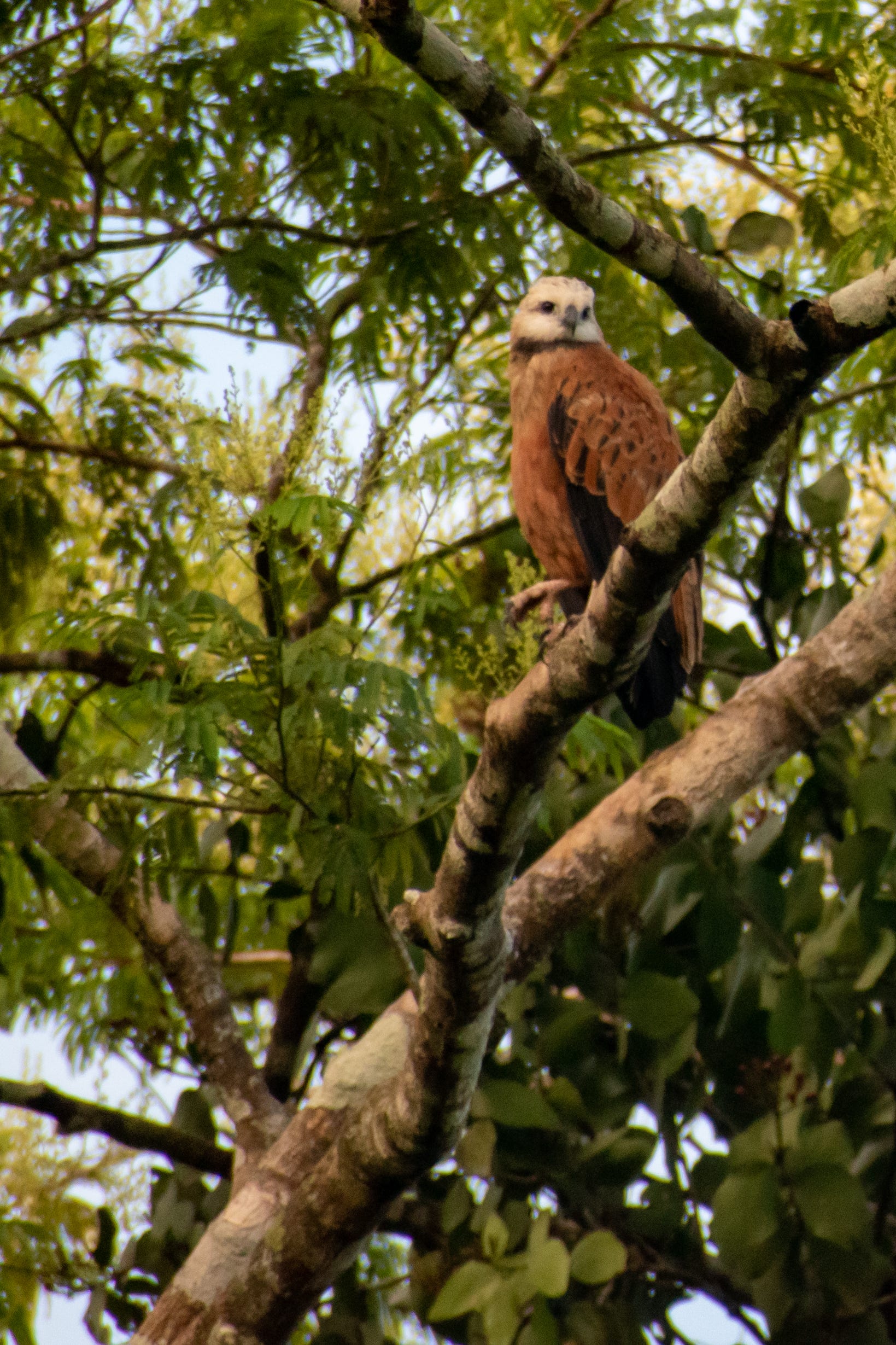
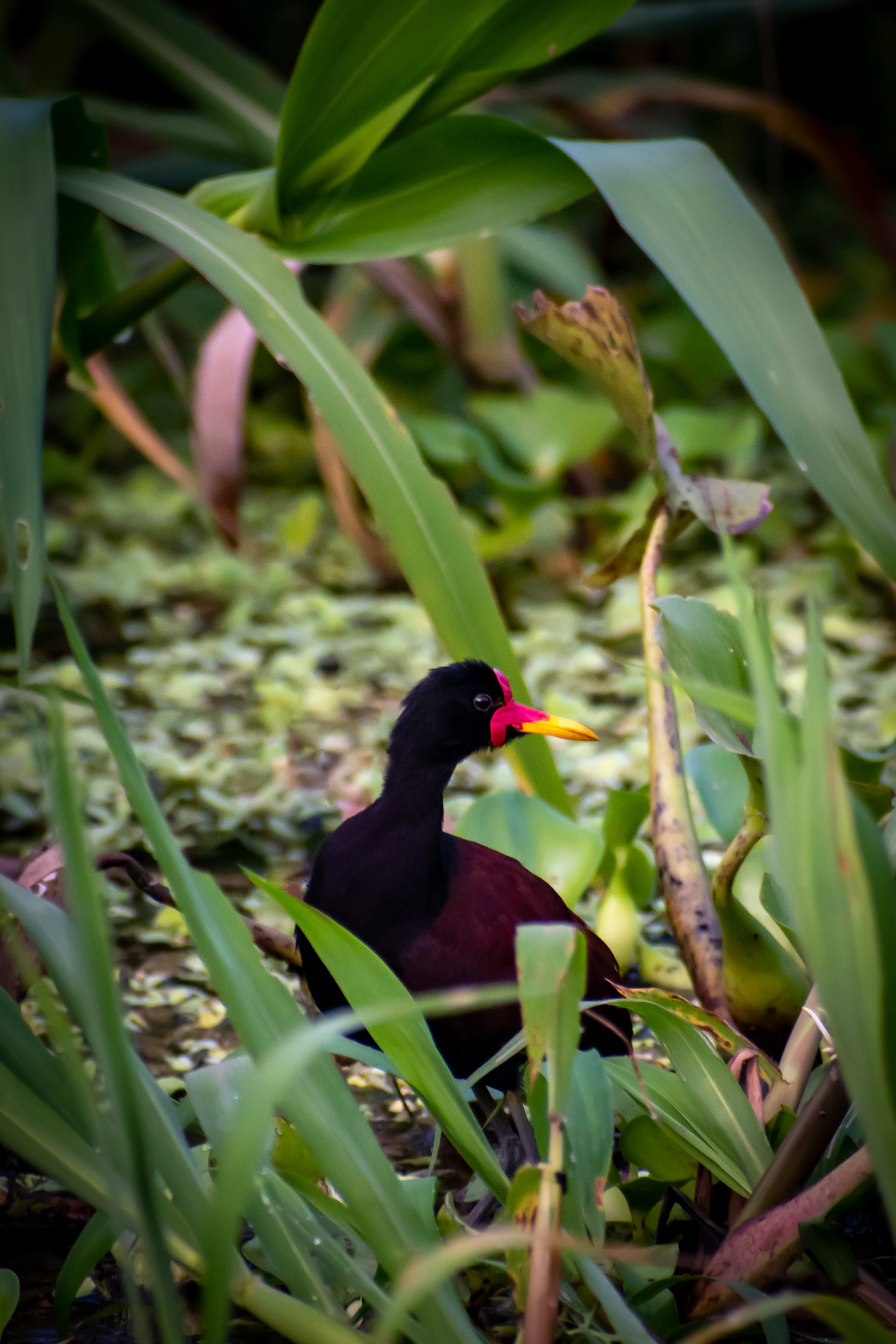
Cormorants, parakeets, and parrots flew overhead. A bright colored Masked Crimson Tanager and White Eared Jacamar greeted us from above, and Wattled Jacana peeked out through the grass growing up out of the riverbed. A rare surprise was the Black Collared Hawk who peered down on us from above.
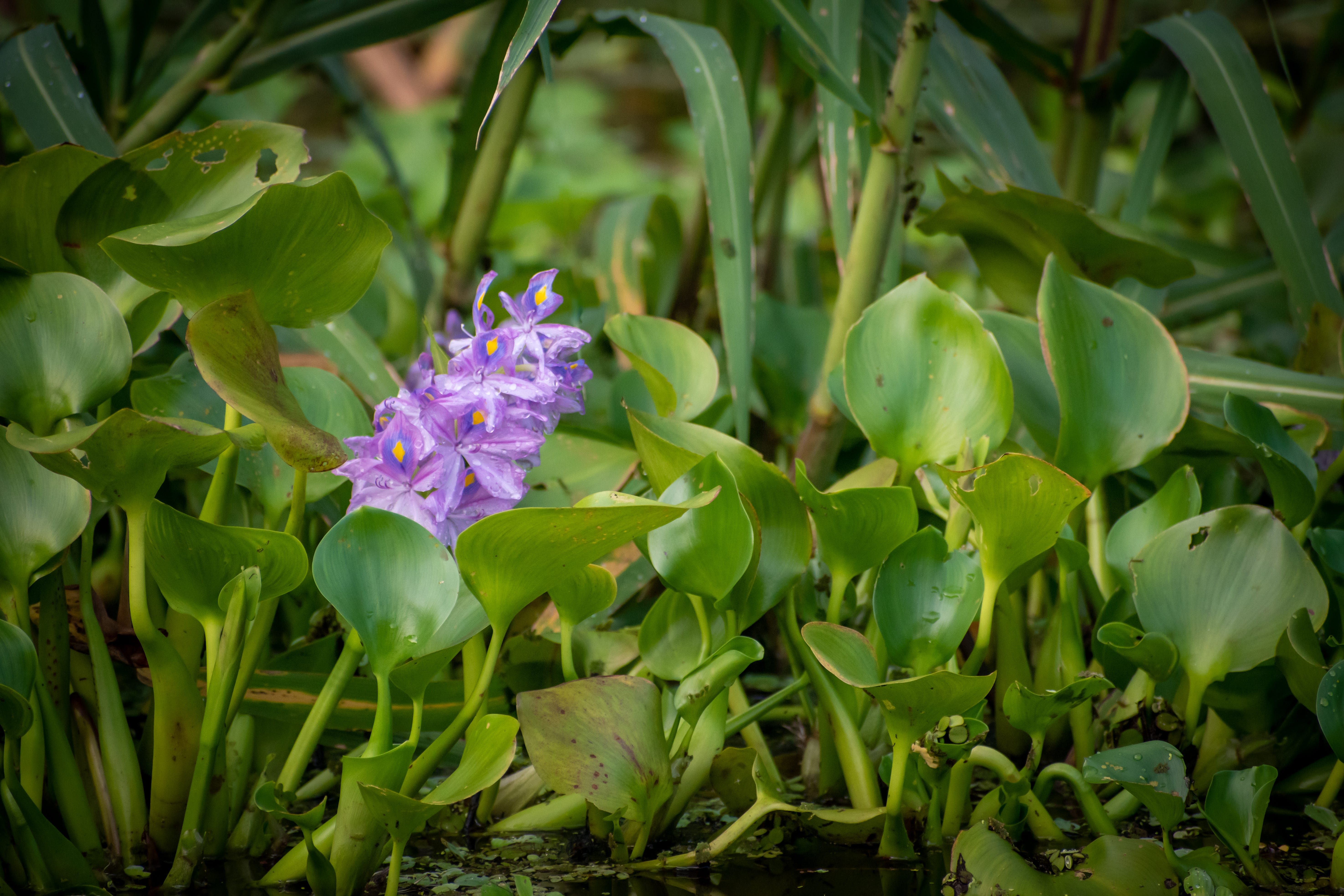
At one point we took a sharp turn through the jungle, emerging into a flooded clearing. The edges of the clearing were filled with purple water hyacinth. Wattled Jacana nested and walked amongst the water lilies, grasses, and hyacinths, showing off their colorful beaks and personalities.


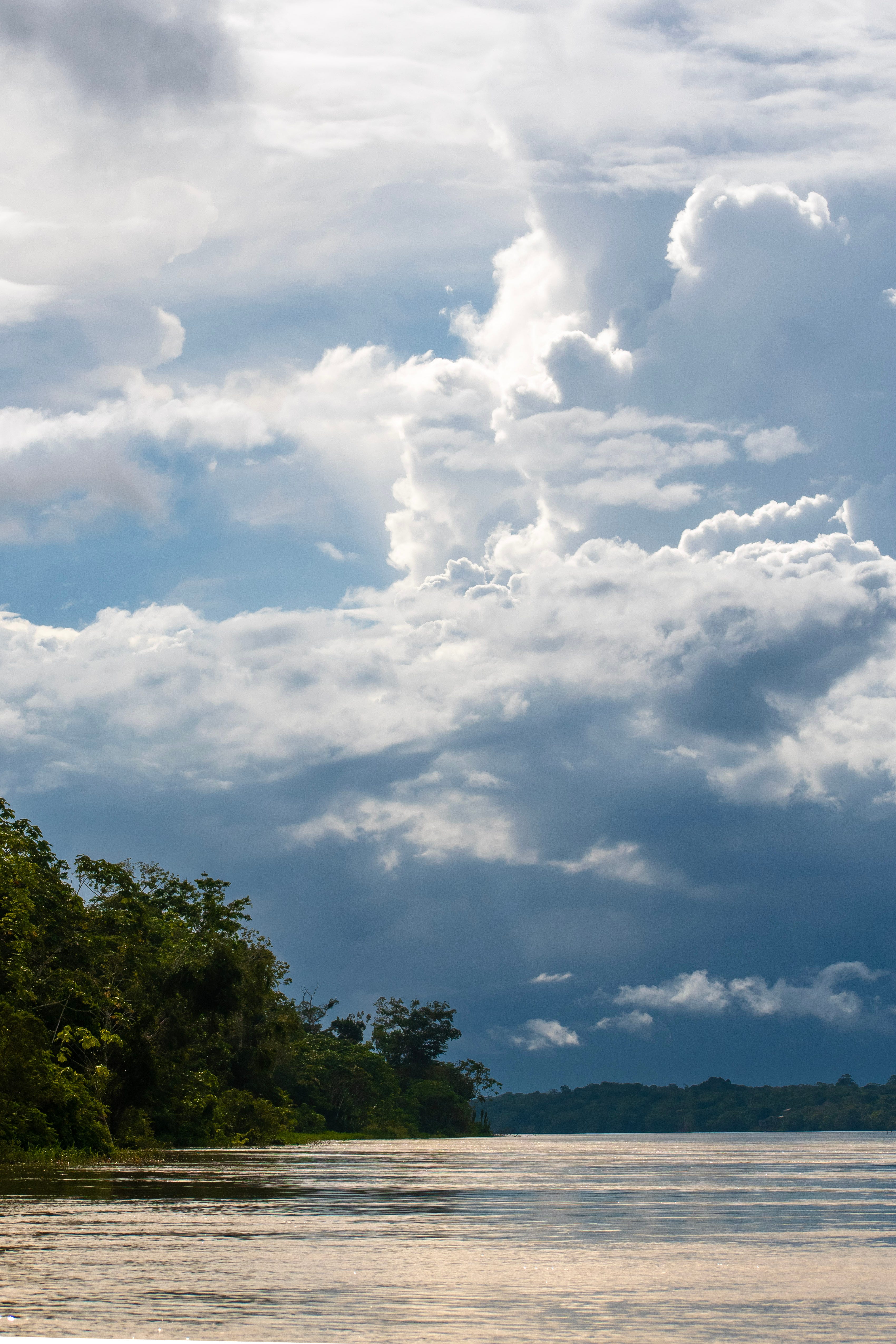
As we came down Nauta Creek, back to the Delphin II, clouds gathered dramatically in the sky, signaling the arrival of more rain.
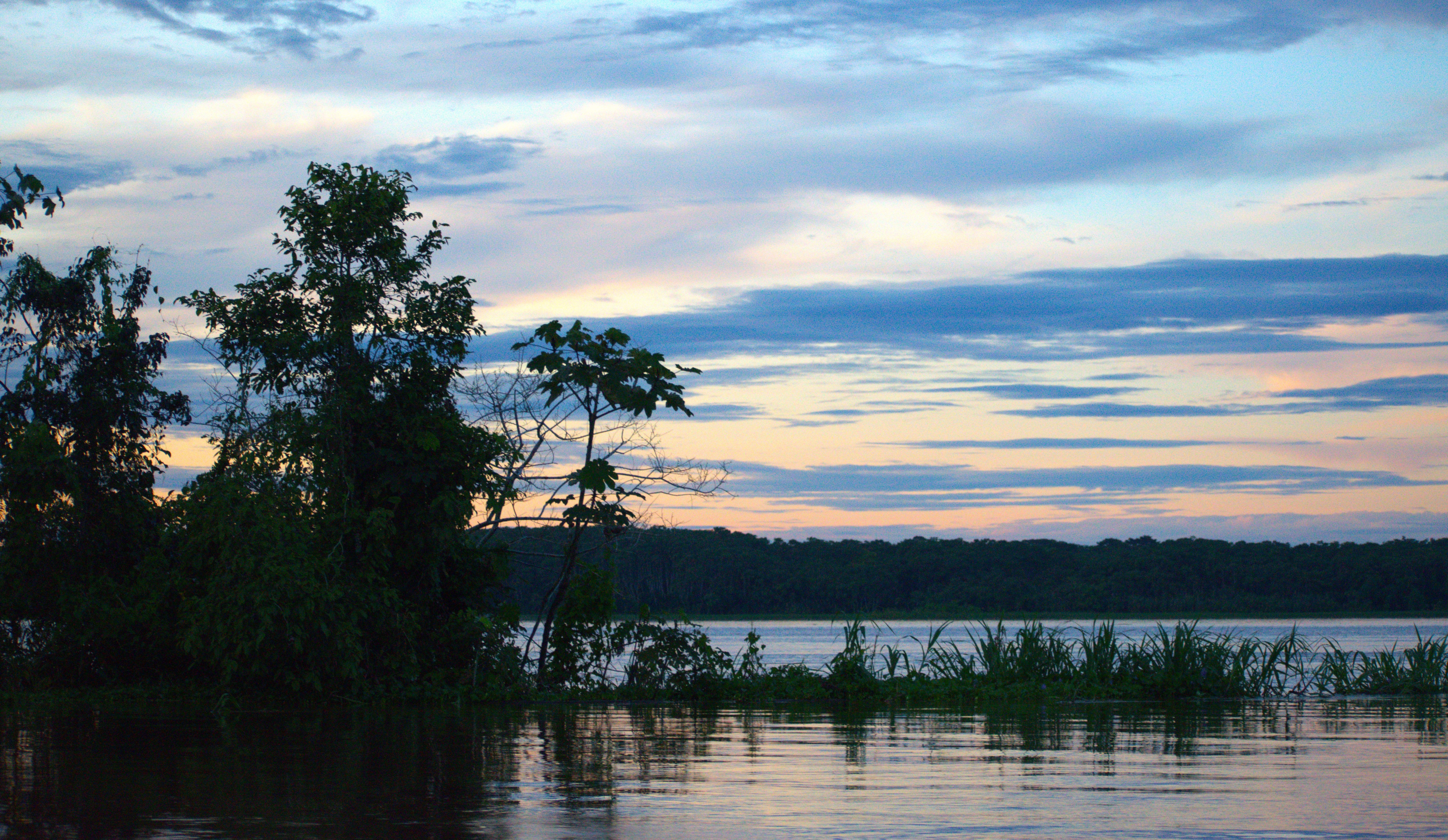
As the sun started to set, we could not believe all the amazing things we had seen on just our first day in the Amazon jungle. We settled into a dinner of local fish, fruits and vegetables. As we fell into bed, we dreamed of more adventures to come.
For more photographs, which I regularly add as I review more and more of my output from my adventures, on my website, SheriMuntean.com
I appreciate you clicking❤️ at the end of this post. It helps my writing be more visible to others. Thanks for supporting Folding Plants and Watering Laundry!